Besides being very knowledgeable , flexible and responsive, Julie is an absolute delight to work with. My kids used her to purchase their home three years ago and referred me to her and I couldn't be more pleased. She also has an extensive professional network which is a great asset with finding other professionals in other fields. If you want a top tier, ethical and caring real estate agent, I strongly recommend you use Julie Cummins.
Pam
Chatham County Real Estate Search
Chatham Homes Realty Blog
Explore our blog to stay up to date on market reports, market trends, and tips for buying or selling your North Carolina Home.
July 12, 2022
Pam
Posted in
Testimonials
no comments yet
July 12, 2022
Shari & Noah
We just bought our third house and so glad we had Julie on our side. Even though we had been through the home buying process several times, nothing could prepare us for this latest experience dealing with sellers who didn't want to leave their property but had to due to other obligations. Julie guided us through the process and handled some delicate negotiations with grace and respect for all parties involved. She knew our end goal, asked the right questions and represented us well. She exceeded our expectations. She's down to earth, humble and so easy to work with. She made the home buying process fun and we can't rave about her enough.
Shari & Noah
Posted in
Testimonials
July 12, 2022
W. Phillips
I can, and do regularly, highly recommend Laurie Lynch to be a realtor for anyone that I know. She was very patient with us in trying to find the right used home for us but when we could not find “the one”, she quickly switched gears and found the perfect lot and builder to build us the home of our dreams. She is an absolute joy to work with!
W. Phillips
Posted in
Testimonials
July 12, 2022
Krystine
Katy is the utmost professional in regards to buying and selling a property. We worked with Katy for numerous years trying to find our perfect home, and she never lost her enthusiasm for us and our bucket list. She went above and beyond for us so many times and always kept what was in our best interest paramount to everything else. She is a pleasure to work with, she is kind, caring and conscientious. She has incredible work ethic which is matched by her integrity. If you are looking for that one of a kind realtor to work with, Katy is the person to call. Trust me, you will be glad you did! - krystine
Posted in
Testimonials
July 12, 2022
Scott & Jennifer
My wife and I had been talking about wanting a new home for a few years-we loved where we were at but had outgrown the home itself. Neither of us are good with making decisions or change, and that’s where Kasey Sanders of Chatham Homes Realty came in.
One of the main things we wanted was location-not just in Pittsboro but in the same part/area of town we were already living in. Kasey showed us a few great houses-they all had many qualities we strongly considered, but they weren’t 100% “the right one”. Kasey was amazing at talking to us about each one; our likes, our dislikes or things we were looking for and really listened to that info to help us find the right one. Within a short period of time she called us to let us know she had a great house to show us that she felt matched our desires we had shared with her. She met us on a Saturday morning and gave us the tour-it was the perfect home and checked off every item we were looking for. We loved the house so she went to work and created a plan for us to make an offer and get it-it was going to go fast so she jumped right on it and developed the perfect plan that met our needs and helped us get our dream home!
The entire process was as smooth as it could be and relieved us of our concerns of change and making decisions-Kasey took that all off our plate and made it happen. We will forever be grateful to her for all of her help, and cannot recommend her enough to anyone else looking to make their dream home search a reality.
Scott and Jennifer Dreyer
Posted in
Testimonials
July 5, 2022
Home Inspection Vs. Appraisal
.jpg)
For both new and repeat home buyers, navigating the various real estate terms can be overwhelming. When you’re making the life-altering decision to buy or sell a home, you want to be able to make a confident and informed decision – we’re here to help.
One of the most significant points of the confusion comes down to the topic of a home inspection vs. appraisal. It’s not uncommon to hear the terms used interchangeably, but they’re actually quite different. An appraisal and an inspection both serve unique purposes for a prospective buyer.
An appraisal is intended to assess the value of a home, whereas an inspection evaluates its condition.
Chatham Homes Realty is here to help you each step of the way.
In this post, we’ll look closely at appraisals and inspections, breaking down the similarities and differences, and what to expect.
What Is a Real Estate Appraisal?
We often receive the question, “What is an appraisal inspection?” Many new buyers mistakenly believe that the appraisal and inspection are a single step in the home buying process, but each is a distinct step of its own.
An appraisal is designed to pinpoint the estimated market value of a property. It is required for most mortgage loans, primarily because the lender must confirm that they are not loaning out more than a property is worth.
The law dictates that appraisals must be completed by licensed third parties with no connection to the mortgage lender.
An appraiser considers a variety of factors when determining the value of a property, including:
- The condition of the home
- Its location
- The value of recently sold homes in the same neighborhood/area (called “comps,” or comparables)
The most significant benefit of appraisals is that it helps ensure that the buyer is not paying more for a property than it is worth.
When Is an Appraisal Required?
Appraisals are almost always required if you purchase a home with a loan from a mortgage lender. However, you may not be required to get an appraisal in certain circumstances.
Federal regulations state that privately-held loans for home prices under $400,000 are not legally required to complete an appraisal. That being said, the majority of lenders choose to require appraisals as a protective measure, regardless.
How Does an Appraisal Work?
The real estate appraisal process usually begins once an offer has been accepted on a property. Lenders are typically the ones that will order the appraisal (through a third-party provider), but buyers generally pay for it.
The appraiser is a neutral third party that will examine the interior and exterior of the property, evaluate comparable properties that have recently sold in the area, and forms a professional opinion on the property’s market value. This information is organized and presented in a report for the prospective buyer and the lender.
Assuming that the appraisal comes back with a value equal to or greater than the offer price, the lender then moves forward with finalizing the loan terms. However, if an appraisal comes back lower than the offer price, it can create a minor roadblock.
What If an Appraisal Is Low?
A low appraisal can be stressful when you feel incredibly close to securing your dream home. The good news is that low appraisals aren’t very common, though they can happen (particularly in a seller’s market).
If your offer is higher than the appraised home value, your lender generally won’t provide you with a loan for that amount. This is because the lender doesn’t want to facilitate a loan that exceeds the property’s actual value.
If an appraisal comes in below the offer price, you can:
- Dispute the appraisal
- Request a second appraisal
- See if the seller is willing to lower the asking price
- Offer to pay the difference in cash
Your real estate agent can help you determine which of the above options best suits the situation, your budget, and your goals. The team at Chatham Homes Realty can help you get started with this process today.
What Is a Home Inspection?
Like an appraisal, an inspection requires that a professional closely evaluate a property. However, that is essentially where the similarities end.
An inspection is intended to assess the present condition of a property, primarily to determine if there are any potential red flags (i.e., hazards, significant repairs needed, etc.). A home inspector closely examines the interior and exterior of a home, including the:
- Roof
- Structure
- Electrical system
- Plumbing
- Exterior elements, etc.
You may choose to be present during the inspection or opt to just receive the detailed inspection report. Once the inspection is complete, you will receive a report detailing precisely what was inspected and any identified issues.
Based on the inspection, you and your real estate agent can discuss the next steps. It is common for prospective buyers to negotiate with the seller to request repairs (or the financial means for repairs) as a part of the purchase process. For example, if it is determined that a property needs a new roof, you might ask that the seller either replace the roof or reduce the purchase price accordingly.
How Does a Home Inspection Work?
Usually, a home inspection is included as a contingency in a buyer’s offer to purchase a property. Should the inspection find any major “deal breakers,” you reserve the right to cancel your offer.
A home inspector is a trained professional selected and hired by a property’s potential buyer. In most cases, your real estate agent can help you locate a trustworthy inspector if needed.
The inspection will be set at a scheduled time at the property, and you and/or your real estate agent may be present. The inspector will use a detailed checklist to evaluate the property, looking for any significant damage or safety issues. Questions that will be addressed include:
- Is the property structurally sound?
- Is the roof damaged or in need of replacement?
- Are there any safety issues?
- Is the electrical system safe and functional?
- Are there any leaks or clogs in the plumbing system?
- Is there any water damage to the home?
- Does the heater and/or AC system function properly?
Inspections are intended to catch major problems before purchasing a home, but there are specific issues that might not be apparent. For many of these particular problems, specialized testing or inspections may be needed, such as:
- A termite inspection
- Radon testing
- Chimney inspections
- Mold inspections
Once the inspection is complete, the buyer is provided with the full report. It may even be an option to request an in-person walkthrough to see and discuss various issues. From there, the buyer and seller can work to negotiate any needed repairs or other contingencies. If an agreement can be reached, the sale of the property can proceed.
Is a Home Inspection Required?
A home inspection is not typically required (though it may be a term of certain loans). Usually, a buyer only stands to benefit from a home inspection. However, in a highly competitive market, a buyer might offer to waive the inspection to make an appealing offer to a seller. Remember that an inspection can protect you from costly repairs or safety risks. If you are considering skipping the inspection, talk to your real estate agent first.
Purchase a Home You Love – and Do It with Confidence – with Help from Chatham Homes Realty
Both an appraisal and an inspection are key components of the home purchase process, but there are many other steps to navigate along the way. For this reason, it is best to partner with an experienced and dedicated real estate agent you can truly trust to help you every step of the way.
If you want a home-buying experience that is as smooth and stress-free as possible, work with one of the expert professionals from Chatham Homes Realty. Here, we’re committed to supporting all our buyers (and sellers), no matter how familiar they are with the process.
For more information about purchasing a home in North Carolina, call Chatham Homes Realty today.
Image Credit: shisu_ka /
Shutterstock
Posted in
Real Estate News
June 3, 2022
What is the Average Down Payment On a Home In North Carolina?

If you're considering buying a home, you might be wondering: how much is a down payment for a house?
For many people, figuring out what they can afford starts with budgeting for the down payment. This is typically the most significant upfront expense involved in purchasing a home. If you've searched online for "how much for a house down payment" or "what is required for a down payment," you might have seen that the general rule is that the down payment is 20% of a home's purchase price – but that isn't always the case.
Many factors can affect your down payment amount, including the type of loan, your lender, your financial goals, and more. Although there are benefits to putting down 20% or more, that traditional number may not be required in your case, especially if you're a first-time homebuyer.
In this guide, you'll learn everything you need to know about down payments for buying a home, including:
- What is a down payment?
- How much money is required for a down payment?
- Can I put down less than 20% for my down payment?
For many prospective homebuyers, learning more about down payments means discovering that buying a home is within reach far sooner than they might think.
What Is a Down Payment for a Home?
A down payment is a payment made upfront when buying a house. This is the amount you pay out of pocket either from your savings or from eligible gifts.
Down payments aim to protect both the buyer and the bank. In the event of a foreclosure, the down payment provides the bank with a certain amount of equity in the property, allowing them to recover their loss better. For the buyer, a down payment ensures that, should the market decline, you have enough equity in your home to sell and break even (or even make a profit).
Down payments are almost always a standard part of the home buying process, but there are exceptions.
Minimum Down Payment Requirements
In the past, it had been said that a 20% down payment is required to purchase a home. However, that is not accurate, especially nowadays. Depending on the type of loan you're applying for, your required down payment can be anywhere from 0% to 3, 3.5, or 10%.
Benefits of a Larger Down Payment
It is possible to buy a home without a significant upfront cost. However, if you can make a down payment of 20%, or close to it, there are potential benefits:
- A lower mortgage interest rate: In the eyes of a lender, a larger down payment makes you less of a "risk." And with that often comes a reward in the form of a lower interest rate.
- More equity in your home from the start: Home equity is your home's value minus the total amount you owe on the mortgage. So, a larger down payment means you have more equity (or wealth).
- A lower monthly mortgage payment: If your down payment translates to a lower interest rate and a lowered principal, you'll be borrowing less - and your monthly payment will be lower. Plus, you won't need to pay monthly premiums on private mortgage insurance (more on that later).
- Lower upfront and/or ongoing fees: There are many benefits to low- or no-down-payment loans, but one downside is that they often come with added fees or ongoing costs. If you can secure a conventional loan with a larger down payment, you may be able to save more money in the long run.
How Much Down Payment Is Required?
Generally, a conventional mortgage requires that you put down 20% or pay for private mortgage insurance (PMI). This is a monthly payment that will be added to your mortgage payment and typically equates to 1% of your loan value per year.
How Much Should You Put Down on a House?
The ideal down payment depends on several factors, including your financial situation. Remember that you don't want to end up "house poor" by overspending your savings just to make a sizeable down payment. If you are unsure how much of a down payment to put down, your realtor or mortgage agent can help.
Why You Should Save for More Than Your Down Payment
It's essential to be aware that you will also need to be prepared to pay for closing costs in addition to a down payment. Usually, these equal about 2 to 5% of a home's purchase price and are due at closing. Also, you may need to have savings set aside for home repairs, moving costs, and other expenses that may come up at or soon after move-in.
Types of Low Down Payment Mortgage Options
Even though many mortgage lenders recommend a down payment of at least 20%, there are loan types for buyers that cannot put down that much. Low down payment loans are available, and you can weigh the pros and cons of each before making your decision.
1. Conventional Mortgage
You may be surprised to know that you can get a conventional loan without putting down a full 20% – ultimately, it usually depends on your lender. Some lenders offer conventional loans as low as 3 to 5% for down payments. Your interest rate will depend on whether you have a fixed-rate or adjustable-rate mortgage.
If you put down less than 20% for a conventional loan, you should be prepared to pay for private mortgage insurance (PMI).
2. Federal Housing Administration (FHA) Loan
An FHA loan is provided through the federal government and can be an ideal option for first-time homebuyers – especially those in need of a low down payment option. With an FHA loan, down payments can be as low as 3.5% of the purchase price.
Much like a conventional loan, FHA loans with loan down payments will generally require that you pay for mortgage insurance. One key difference is that you may have to pay an upfront amount and a monthly premium for the mortgage insurance.
3. VA loan
VA loans are available only for active-duty servicemembers and U.S. military veterans and are funded through a lender and backed by the Department of Veterans Affairs. If you qualify for a VA loan, you may not need a down payment.
Next Steps: Talk to the Real Estate Experts at Chatham Homes Realty
Whether you're a first-time homebuyer or fairly experienced, navigating the search for a home can be overwhelming. But with a trusted expert by your side, you can be confident that you are making the right decisions for your future and your family.
Chatham Homes Realty is a locally owned and operated realty team dedicated to serving buyers, sellers, and investors in North Carolina. With offices in Pittsboro and Siler City, you're never far from our professional residential, land, and eco-broker agents. Chatham Homes Realty is here to help you.
Contact our team today for more information about buying a home in North Carolina, including helpful details for first-time homebuyers.
Posted in
Real Estate News
April 27, 2022
North Carolina First Time Home Buyer: Complete Guide

As a first-time homebuyer, you're probably researching houses and making wishlists. However, as a first-time homebuyer, you may also be overwhelmed. There is a lot to learn about mortgages and the home-buying process before getting the keys to your new Chatham County, North Carolina, dream home.
Instead of just hoping you get through the process unscathed, take a little time to ensure you’re not confused and learn about your options. Once you have some knowledge in your back pocket, you'll be more empowered to make the best financial decisions for your future and could also potentially save some money.
What Is a First-time Homebuyer?
Anyone that purchases a primary residence for the first time is considered a first-time homebuyer. However, if you've owned a home in the past, you may still qualify as a first-time homebuyer. The United States Department of Housing and Urban Development (HUD) establishes the criteria regarding other first-time homebuyers:
- You have not owned a principal residence in at least three years.
- If one spouse has owned a home, but the other has not, you can purchase a home together as first-time homebuyers.
- You're a displaced homemaker that only owned a home with a spouse.
- You're a single parent that has only owned a home with a former spouse.
- You owned a principal residence that was not permanently affixed to a permanent foundation following applicable regulations.
- You have only owned a property that did not comply with appropriate state, local, or model building codes, and you can't bring it into compliance for less than the cost of constructing a permanent structure.
First-time Homebuyer: Where To Start
Before you begin searching for your new house, you need to be prepared. You can do a few things to make the process go more smoothly.
- Learn about different types of home loans. There are several loan types available, but most homebuyers use one of the four major loan programs: conventional, FHA, VA, or USDA. Learning a little about these loans ahead of time is the best way to make sure you are making the right financial decisions.
- Know your price range and monthly payment. If you have a household budget, it will be easier to see what can be allocated for your mortgage payment, including principal, interest, taxes, and insurance. Once you know how much you can afford, you can shop for a mortgage and your new home.
- Contact multiple mortgage lenders to find the lowest rate. Often, first-time homebuyers will go with the first lender they speak to, but you could miss thousands of dollars in savings. If you've already done your research on loans and know how much you can afford, it will make this step easier.
- Obtain a mortgage pre-approval. A pre-approval from a lender is essentially a verification of your home-buying budget. Often, sellers will not entertain offers without a pre-approval, so it'll save you the heartache of missing out on your dream home.
Types Of First-Time Home Buyer Programs in North Carolina
There are a variety of first-time homebuyer programs available. Here are just a few ways you can find assistance as a first-time homebuyer:
- Government-backed loans (FHA, VA, USDA) may allow you to secure a loan with a lower down payment or poor credit.
- Down Payment Assistance may be available in the form of loans or grants.
- Tax deductions for homeowners can reduce your tax burden.
- Closing costs - government-sponsored and private programs can assist with the various closing costs (which average 3-6% of the purchase price)
- Good Neighbor Next Door is a federal program for Pre-K - 12th Grade teachers, EMTs, firefighters, and law enforcement officers that offers 50% off select HUD properties
- Fannie May's HomePath® Ready Buyer™ Program allows first-time homebuyers to buy a foreclosed property with a lower down payment and the possibility of up to 3% of closing costs back.
Start looking for your new home today!
Contact Us At Chatham Homes Realty today for more information, or to speak with one of our real estate buying and selling experts.
Posted in
Buying a Home,
Real Estate News
Jan. 5, 2022
What are the Average Closing Costs in North Carolina

Buying a home can be an excruciating task. You've examined all the available home options, secured a financing option, made an offer, inspected the house, and you're working out a deal with the seller.
Congratulations, you're just about to be a new homeowner.
However, there are closing costs that many don't consider when buying a house when closing the deal. That begs the question:
What are Closing Costs in Real Estate?
Closing costs are fees that a home buyer and seller pay to different third parties when closing the deal. The costs are numerous and can quickly mount up.
When you buy a home, closing costs come from:
- Fees that stem from owning a new home.
- Fees that go to mortgage lenders.
The amount you pay for closing costs varies depending on your state and the mortgage lender's fees.
On the flip side, a seller's closing costs entail:
- Title transfer fee to the buyer.
- Real estate agent's commission.
Who Pays Closing Cost?
Both buyers and sellers incur closing costs. However, homebuyers pay more in closing costs than sellers. A seller might sweeten the deal and offer to partially or fully pay for the buyer's closing costs in rare situations.
How Much are Closing Costs?
The amount you pay for closing costs depends on the type of property you're buying, your lender, and your state. On average, you'll spend 3-4% of the purchase price in closing fees if you're a buyer, and 1-3% for a seller, excluding the agent fee.
Types of Closing Costs for Buyers (and How Much to Pay)
There are plenty of unseen costs when buying a home. Fortunately, we're going to cover nearly all hidden costs that aren't on the house buying price so that the closing price doesn't surprise you in the end.
The main types of closing costs entail:
Home Inspection Fee
Home inspection fees vary depending on:
- Home size and age
- Scope of services
- Your region
However, the U.S Department of Housing says a typical range lies between $300-$500, depending on the property value and terms of investment.
The role of a home inspection is to ensure you're buying a home in good condition. If the inspector spots issues, you can raise them with the seller so that he can do repairs before the closing day.
Appraisal Fee
Home appraisal costs are fees you incur when you hire a company to determine the house's value you're about to buy. Typically, home appraisal costs around $300 - $500.
Appraisal professionals ensure that the seller doesn't widely overprice or underprice a home. Determining the correct value is important to lenders because it ensures your financier lends an acceptable amount of money to buy a home.
Application/ Processing Fees
The processing fee is the amount that covers the cost of your lender for processing your mortgage application. The fee goes into processes like running credit checks, pulling your credit score, and other loan processing tasks.
Processing fees mount up to a few hundred dollars depending on your lender.
Mortgage Origination Fees
The mortgage origination fee generally costs about 1% of the total amount of the loan. You'll incur this fee because a mortgage involves lots of paperwork.
The amount you pay covers the lender's costs for creating your mortgage and processing all the paperwork that enables you to get money in time.
Prepaid Interest on Your Mortgage
On the day you close the deal, you'll pay part of your monthly mortgage interest to cover the period between the closing date and the first mortgage payment you scheduled.
Tax Service Fee
Tax service fees don't cost much. If the application fee doesn't cover the tax services fee, search for a third party to check your tax account and ensure that you don't have unpaid taxes and pay taxes on time.
Property Taxes
The amount you pay for property taxes depends on your state's tax law. In North Carolina, expect to pay 0.77% of your home value a year. You'll pay a few months of property worth upfront.
Private Mortgage Insurance
On closing day, you'll pay a month's worth of private mortgage insurance upfront. Typically, you'll pay less than 2% of your annual loan balance for private mortgage insurance (PMI). Your lender splits the 2% into monthly payments.
However, private mortgage insurance costs are avoidable by paying a down payment of 20% or more. At its core, PMI is insurance that protects your lender from losing money if you can't keep up the monthly payments or you default on your mortgage.
Homeowners Association Fees
Suppose you're purchasing a house in a community with a homeowner association (HOA), you'll incur a membership fee on closing day. From there, you'll be paying around $250 a month to maintain your membership.
Homeowner's Insurance Premium
The home insurance premium is a law requirement and costs about $1,250 a year. On the closing day, you'll pay to cover the first year.
Types of Closing Costs for Sellers
It's easy to think that a seller will get off easier during the closing day. Selling a home comes with a closing cost too. If you're a seller, your highest cost on closing day is the commission fee for the real estate agent.
Real Estate Agent Commission Fees
On average, you'll pay 6% of your home sale price as a commission to your real estate agent. The listing agent and the buyer's agent split this fee.
A seller might negotiate with the buyer to pay the agent commission on rare occasions. Alternatively, the buyer may offer to partly or fully cover the agent's commission, especially when the seller gets multiple offers.
Transfer Tax Fees
As a seller, you'll incur the cost of title transfer to a new owner. The cost might also entail recording fees, depending on the title company.
You'll pay $1 per $500 for the property you're selling in North Carolina.
Attorney Fees
When an attorney helps you sell your home, their fee will be due on closing day. The amount you'll spend depends on the attorney you choose.
Is it Possible to Save Money on Your Closing Costs?
Nearly everyone buying or selling a home asks this question. However, your mortgage lenders are the people to answer that question correctly when you're ready to buy a home. Ask them if there's any room to wiggle to reduce their closing fee.
What's more, ask the seller if they can pay a small fraction of your closing costs. If they have been trying to sell their house for months and want a quick sale, they might agree because you hold the upper hand in the deal.
Reach out to us today. We'll help you navigate the world of buying or selling a home in Chatham county.
Image Source: OSABEE / Shutterstock
Posted in
Buying a Home
Jan. 4, 2022
How to Stage a House That Sells
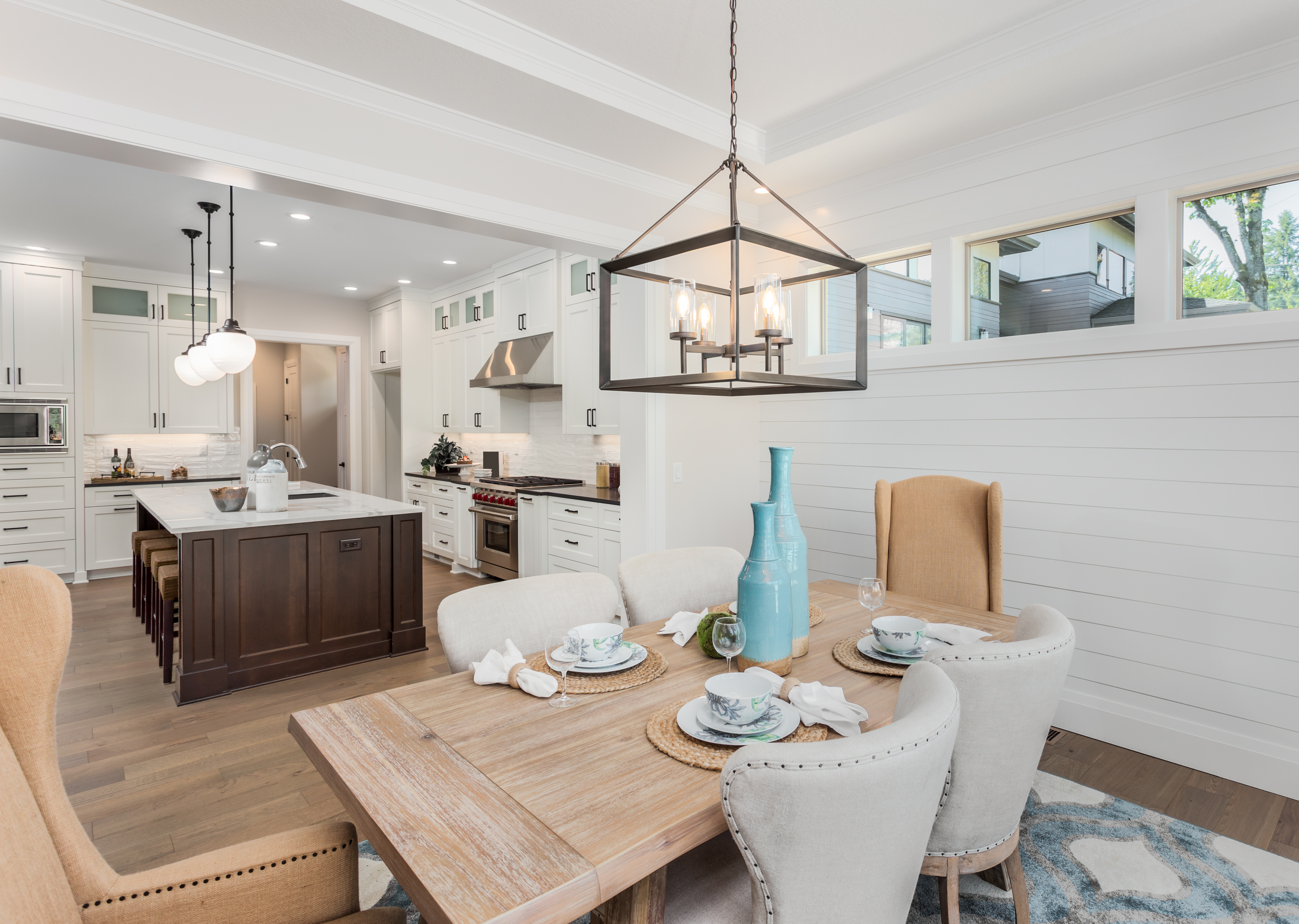
Finding a buyer for your home can sometimes be easier said than done. While there are many potential buyers in Chatham County, it takes more than a sign saying as much to get attention. Home staging is your secret weapon for selling, letting you show off a property's best features and helping others envision what it might be like to live there for themselves. Learn the tips and tricks necessary to professionally stage a house to improve your chances of selling in North Carolina.
Why is Home Staging Important for Selling?
Home staging turns a space into an inviting home, helping buyers picture themselves living there. Like any product, a home shows better when presented in its best light, often staged to look lived-in and welcoming. This emotional connection can make buyers more likely to commit.
Staging also helps homes sell faster and for a higher price by highlighting strengths and minimizing flaws. It draws attention to standout features—like open layouts or scenic views—making them more memorable. Even simple spaces can become powerful selling points with the right furniture and decor.
Home Staging Ideas to Attract Buyers
Staging a home for buyers isn’t as simple as throwing a few decorations around. You need to keep a few things in mind to create the right atmosphere that helps people feel at home. Try some of these tips to set up your home to get the most attention:
Declutter and Depersonalize
Remove personal items like family photos to help buyers imagine themselves in the space. Store away excess belongings to create a clean, spacious feel. Decluttering makes the home look larger and more inviting.
Enhance Curb Appeal
First impressions matter, and curb appeal is a big part of attracting buyers. Simple updates can make a big difference. Refresh the landscaping, trim bushes, and add colorful flowers to the garden. A fresh coat of paint on the front door and a clean walkway can also enhance the exterior's look. These improvements create a welcoming entryway that sets a positive tone for the rest of the home tour.
Optimize Furniture Arrangement
Furniture arrangement can greatly influence how a space is perceived. Arrange pieces to maximize space and improve flow, ensuring each room feels open and accessible. Highlight key areas like living and dining rooms by arranging furniture to showcase functionality and comfort. Avoid overcrowding with too much furniture, focusing instead on an inviting layout highlighting the home's most outstanding features.
Use Neutral Colors and Decor
Vibrant colors can sometimes be overwhelming, turning off some buyers who may not want such a bold statement in their potential home. Neutral colors, however, have broad appeal and can make a home feel more open. Consider repainting walls in soft tones like beige, gray, or taupe to provide a blank canvas that appeals to many buyers. Pair these colors with simple, tasteful decor that complements the home's style without overwhelming it.
Benefits of Professional Home Staging Services
While DIY staging can be effective, professional services offer expertise that can significantly enhance a home's appeal. Professional stagers know how to highlight a property's strengths and minimize weaknesses. They can provide furniture, artwork, and decor that suits the home’s style and target market.
Chatham Homes Realty offers comprehensive staging services tailored to the unique characteristics of homes in Chatham County. Our team can transform your property into a standout listing in the competitive real estate market. Our local knowledge and staging expertise can ensure your home attracts the right buyers and sells at a desirable price.
Stage Your Home to Sell Today
Effective home staging is a strategic investment that can greatly impact selling. Creating a welcoming and appealing atmosphere can attract more potential buyers and increase the chances of selling your home quickly and at a favorable price.
Chatham Homes Realty is here to assist with expert staging and real estate services for homeowners in Chatham County looking to gain a competitive edge. Contact us today to learn how we can help you achieve a successful home sale.
Image Source: BM_27// Shutterstock
Posted in
Selling Your Home